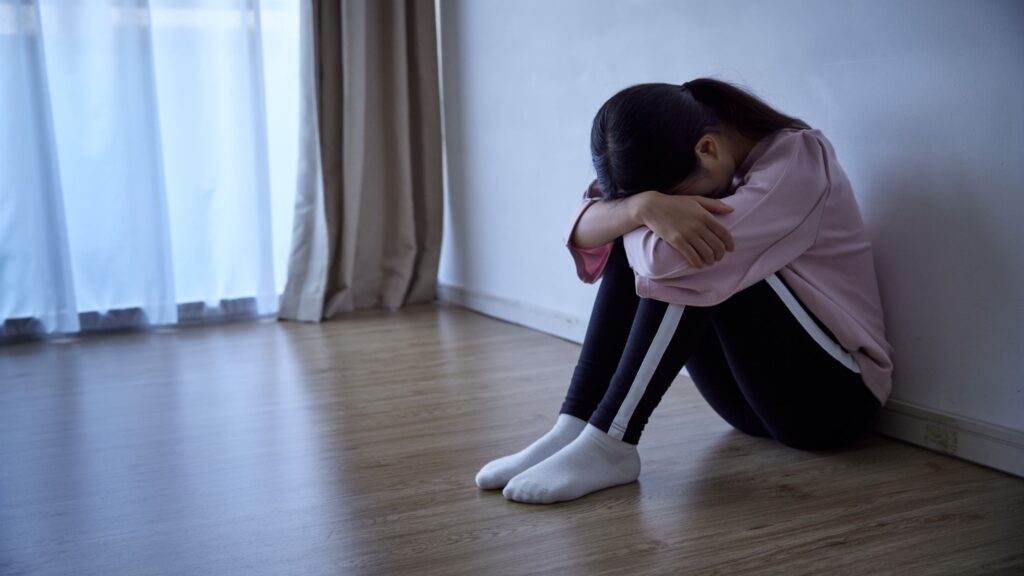
Child abuse is one of the most painful realities in our society, and many times, it goes unnoticed. Children who are hurt or neglected often cannot speak up for themselves. This is why it is so important for parents, teachers, doctors, and caregivers to recognize the warning signs early. When abuse is detected in time, it can save a child from further harm and begin their journey toward healing and safety. This article explains five key ways to spot early signs of child abuse using simple, clear observations that anyone can apply in daily life.
1. Notice Sudden Changes in a Child’s Behavior
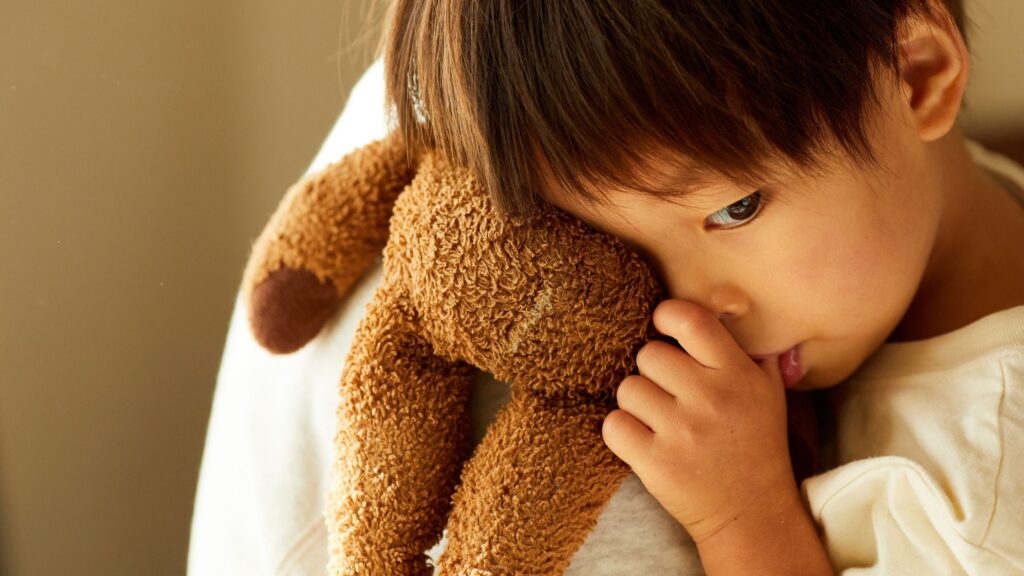
One of the first signs that a child might be experiencing abuse is a sudden or unusual change in behavior. A cheerful child may suddenly become quiet, withdrawn, or fearful. A child who was once calm may begin to show anger, anxiety, or aggression. These changes can happen at home, in school, or in social situations.
Sometimes, children may develop extreme reactions such as fear of certain adults, places, or situations. For example, a child might refuse to go to school or act frightened when someone’s name is mentioned. These behaviors can be signs that something is wrong. While not every mood change means abuse, it’s important to take them seriously, especially if they appear suddenly or seem linked to a particular person or environment.
Paying attention to these shifts helps adults notice when a child’s emotional world is being disturbed. Asking gentle, caring questions and offering a safe space to talk can help the child feel supported and more willing to share.
2. Look for Unexplained Injuries or Physical Marks

Physical signs are often the most visible clues of abuse. Bruises, burns, cuts, or broken bones that cannot be easily explained should raise concern. Sometimes the injuries may appear in patterns, such as handprints, belt marks, or circular burns. These are not typical signs of play or accidental falls.
When asked about their injuries, an abused child may give vague or inconsistent answers. They might say they fell or bumped into something, but the explanation doesn’t match the wound. It’s also common for children to wear long sleeves or layers of clothing even in warm weather, possibly to hide marks on their skin.
If an adult notices these types of injuries, it’s important not to accuse or frighten the child. Instead, remain calm and caring. The goal is to ensure the child’s safety and report the concern to the proper authorities or child protection professionals who can take the next steps.
Read More:6 Mistakes Adults Make When Spotting Child Abuse
3. Observe Emotional and Social Withdrawal in a Child
Children who are being abused often pull away from friends, family, and activities they once enjoyed. They might stop participating in games, school events, or hobbies. Isolation is a strong emotional signal that should not be ignored.
In some cases, a child might seem “too quiet” or “too perfect.” They may try very hard to avoid making mistakes or upsetting others, often out of fear of punishment. Others may show sudden sadness, low energy, or signs of depression.
Adults should also pay attention to how a child interacts with others. If a child avoids physical contact, seems jumpy when touched, or acts unusually cautious around adults, these may be signs of past or ongoing abuse. Building trust and offering kindness can help the child feel safer, but professional help should always be sought to ensure protection and healing.
4. Watch for Developmental or Academic Changes in a Child
Abuse can deeply affect a child’s ability to focus, learn, and grow. A student who was once doing well in school might begin to struggle with grades, forget assignments, or lose interest in learning. Younger children may regress, meaning they return to earlier behaviors like bed-wetting, thumb-sucking, or clinginess.
These changes often reflect emotional stress or trauma. The child’s mind is trying to process fear or pain, which makes it harder for them to concentrate. Teachers and caregivers play a critical role here, as they see children daily and can notice these changes early.
If a child begins missing school frequently or seems tired, distracted, or hungry, these may also be warning signs. Sometimes, neglect, such as not receiving enough food, care, or supervision, is part of abuse. Spotting these clues early allows adults to take supportive action before the harm worsens.
5. Pay Attention to What the Child Says or Doesn’t Say
Sometimes the truth comes in small pieces. A child may not clearly say, “I’m being abused,” but they might hint through words, stories, or drawings. They may say they are afraid to go home or talk about being hurt but say it happened “by accident.” Listening carefully and taking such statements seriously is crucial.
Many children stay silent because they feel ashamed, scared, or worried that no one will believe them. Adults should create an environment where children feel safe to speak. This means staying calm, showing care, and avoiding judgment or blame. A simple response like, “I’m here for you, and I believe you,” can make a huge difference.
If a child begins to share experiences that suggest harm, it is important not to question them aggressively or pressure them for details. Instead, listen with compassion and contact child protection professionals who are trained to handle these situations safely and respectfully.
Conclusion
Recognizing the early signs of child abuse can save a life. Every adult who interacts with children, whether as a parent, teacher, doctor, neighbor, or coach, has a role to play in noticing when something isn’t right. By paying attention to behavioral, physical, emotional, and social clues, we can help protect children from ongoing harm.
The most important thing to remember is that children rarely lie about abuse, and even small signs should not be ignored. When adults act with care, listen with empathy, and report concerns to the right authorities, they give every child a chance to be safe and to heal.
Child protection begins with awareness, but it grows stronger through action. Learning to spot these early signs is not only a skill, it is a shared responsibility that helps build a safer, more caring world for every child.