
Child safety requires attention and action. Children encounter risks at home, at school, and online every day. You play a key role in ensuring child safety. Understanding practical steps allows you to create safer environments and reduce risks. The following six points provide actionable guidance for parents, caregivers, and educators to maintain child safety consistently.
1. Children Must Learn Personal Boundaries

Teaching children about personal boundaries helps them understand their right to privacy and control over their bodies. You should explain that no one can touch them in ways that make them uncomfortable. Use role-playing exercises to help your child practice saying no. For example, you can act out a scenario where a visitor wants a hug and your child declines politely.
Encourage your child to report any inappropriate behavior to a trusted adult immediately. At school, your child should know which staff members they can approach if they feel unsafe. Reinforcing these lessons regularly strengthens their confidence in speaking up and maintaining child safety.
2. Supervise Online Activities

Children spend significant time online. You need to monitor their internet use to protect them from predators, unsafe content, and cyberbullying. Establish rules such as keeping devices in shared spaces and limiting screen time.
Teach children not to share personal details, including addresses, phone numbers, or school names, with strangers online. Use parental controls to block unsafe websites and apps. Schools often have internet safety policies. Make sure your child understands these rules and knows whom to contact if they encounter unsafe content. Regular discussions about online activity help maintain child safety at home and school.
3. Secure Dangerous Items at Home and School

Many accidents occur when children access hazardous items. You should store cleaning chemicals, knives, medicines, and firearms in locked cabinets. If you own firearms, keep them unloaded with ammunition stored separately.
Also Read: 8 Warning Signs Pediatric Experts Should Never Overlook
Explain to children why certain items are off-limits. Show them which areas of the home or classroom are unsafe. Teachers and staff should maintain locked storage for cleaning supplies, lab materials, and sports equipment. Conduct regular checks to ensure locks are functioning correctly. Children who understand boundaries and face controlled risks are less likely to suffer injuries, supporting overall child safety.
4. Practice Emergency Preparedness

Children need clear instructions for emergencies. You should teach them what to do in situations such as fires, earthquakes, or intruders. Practice drills at home and school help children respond calmly under stress.
Show them multiple exit routes and a safe meeting place outside the home or school. Ensure they know emergency contact numbers, including local authorities and family members. Practicing these steps reinforces memory and builds confidence. Schools should provide guidance on emergency procedures, and children should understand their roles during drills. Consistent practice reinforces child safety during unexpected events.
5. Build a Circle of Trusted Adults

Children must know which adults they can approach when they feel unsafe or uncertain. You need to help your child identify trusted individuals, such as family members, neighbors, teachers, or school counselors.
Discuss possible scenarios where children might need help, including bullying, inappropriate touching, or threats from strangers. Role-play phone calls to report problems and describe situations clearly. At school, make sure your child knows which staff members are available to support them. Having trusted adults reduces fear and increases the likelihood that children will speak up when they face danger, which is a critical part of child safety.
6. Observe Behavior and Emotional Changes
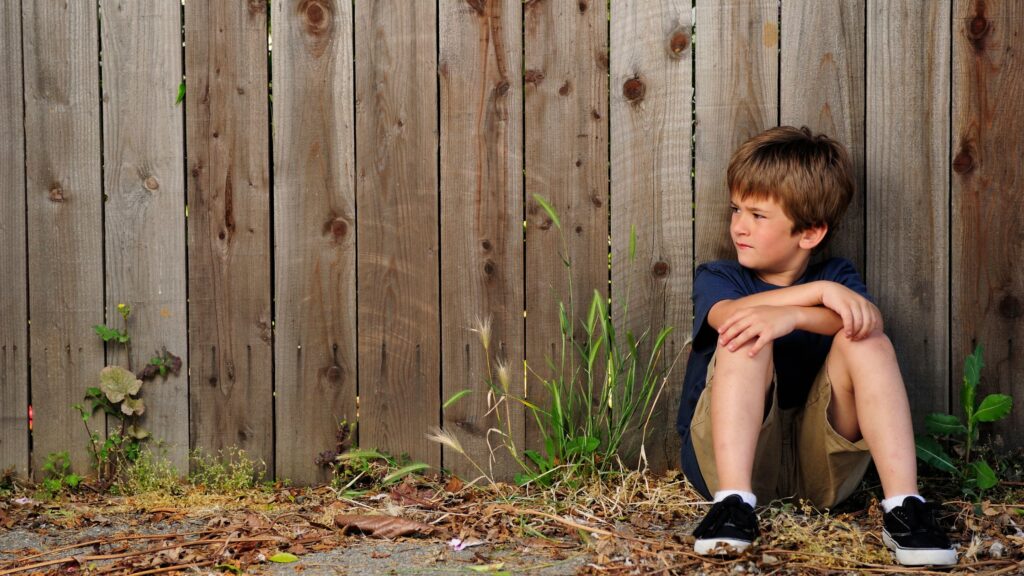
Children often show signs when they face stress, danger, or abuse. You should pay attention to changes in mood, behavior, or routines. Sudden withdrawal, aggression, nightmares, or fear of specific places may indicate issues.
Ask your child about their day and listen carefully. Avoid criticizing or dismissing their feelings. Schools can support this process by reporting unusual behavior to parents or counselors. If concerning patterns persist, consult professionals such as pediatricians or child psychologists. Early observation and intervention improve child safety and allow you to address potential threats before they escalate.
Practical Steps You Can Take
Child safety requires consistent action in both home and school environments. You should integrate these six points into daily routines. For instance, teaching boundaries can occur during family meals or bedtime discussions. Online supervision can involve checking devices after homework or assigning specific times for gaming.
Securing dangerous items may seem straightforward, but regular checks ensure continued protection. Practice emergency procedures weekly so children remember steps without panic. Encourage children to maintain relationships with trusted adults and remind them to communicate any concerns promptly. Observing emotional and behavioral cues requires daily attention and dialogue. These steps work together to strengthen child safety for every child.
Data supports the effectiveness of these actions. Studies show that children who receive guidance on boundaries are more likely to report unsafe situations. Schools with structured internet safety programs report fewer cyberbullying incidents. Homes with secure storage for chemicals and firearms show reduced accidental injuries. Regular emergency drills improve children’s ability to respond calmly and effectively. These findings show that maintaining child safety consistently reduces risk.
Encouraging Daily Safety Habits
Child safety is not a single event but a daily practice. You should make these behaviors routine and part of your child’s life. Ask about their day, review online activity, and update safety measures as children grow. Reassess emergency plans, check locks, and review trusted adults regularly. Children notice consistency and respond positively to structured guidance.
When children know how to protect themselves, they gain confidence and independence. They understand that adults provide support and guidance, but they also have personal responsibility. Teaching children to make safe choices strengthens their ability to navigate challenges. Simple conversations and consistent practice directly improve child safety at home and school.
Collaborating With Schools and Communities
Child safety does not start and end at home. Schools and communities play a crucial role. You should communicate regularly with teachers and administrators. Ask about safety policies, emergency drills, and reporting procedures. Support school programs that teach children about personal safety, boundaries, and online risks.
Communities can organize awareness programs, safety workshops, and neighborhood watch initiatives. Involving children in these programs helps them understand safety measures while reinforcing the lessons learned at home. Collaboration between parents, schools, and communities ensures child safety is maintained across all environments.
Taking Action Today
You can take concrete steps immediately. Begin with conversations about boundaries and personal safety. Check your home for hazards and secure dangerous items. Review online rules and monitor devices. Practice emergency drills and establish a list of trusted adults. Observe behavior and maintain open communication.
By taking these steps, you reduce risks and help children feel secure. Child safety becomes part of their daily life rather than a set of rules. Children who understand risks, communicate openly, and know how to act in emergencies develop skills that protect them throughout childhood. Each action you take contributes to stronger child safety and builds confidence in your children.