
Children rely on adults to notice when something is not right. Pediatric experts carry the responsibility of spotting early warning signs that may point to neglect, abuse, or health concerns. These signs can sometimes look ordinary on the surface, but when they repeat or appear in certain patterns, they tell a different story. As a parent, caregiver, or professional working with children, you should be aware of these signals. Recognizing them early can make a real difference in protecting a child’s health and safety.
1. Unexplained Injuries
Bruises, burns, or fractures that don’t match a child’s explanation raise serious questions. A fall from a bike may explain a scraped knee, but repeated injuries in unusual places like the back, thighs, or upper arms are harder to dismiss. Pediatric experts know the difference between normal play injuries and patterns that suggest possible harm. If you see repeated injuries without clear reasons, seek medical evaluation.

2. Frequent Absences From School or Activities
Children thrive on routine. When a child often misses school or scheduled activities without a medical condition, it may signal something deeper. Frequent absences can hide physical harm, emotional struggles, or unsafe living conditions. A teacher might notice the pattern first, but doctors and parents should always pay attention. Ask why a child is missing so much time, and look for consistency in the answers you receive.

3. Sudden Changes in Behavior
Behavioral shifts often reveal more than words. A child who was once social may suddenly become withdrawn. Another who was calm may start showing aggression or unusual fearfulness. Pediatric experts listen closely to these changes because they may reflect stress, trauma, or abuse. You should not dismiss these behaviors as “just a phase.” When the shift is sharp and out of character, it is worth exploring further with professional help.
4. Delay in Seeking Medical Care
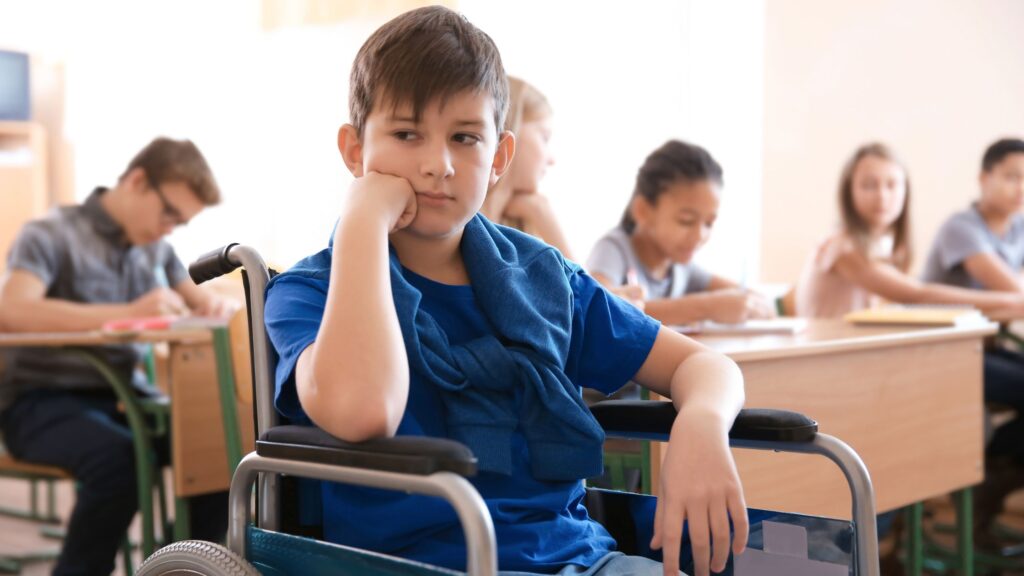
When children have serious injuries or illnesses, waiting too long to seek treatment raises red flags. For example, a deep cut left untreated or a broken bone presented days later may suggest neglect. Pediatricians often ask about the timeline of events. If the explanation does not fit the medical findings, it signals a need for closer review. Parents and caregivers should understand that timely medical attention is part of protecting a child’s well-being.

5. Fear of Going Home
Children should feel safe in their own homes. When a child shows reluctance or fear about going back home, experts pay attention. A child who lingers after school, tries to stay longer with friends, or expresses dread about returning home may be signaling distress. This is not always a sign of abuse, but it deserves a sensitive conversation. Listening without judgment gives the child space to share what is troubling them.
6. Inconsistent Explanations
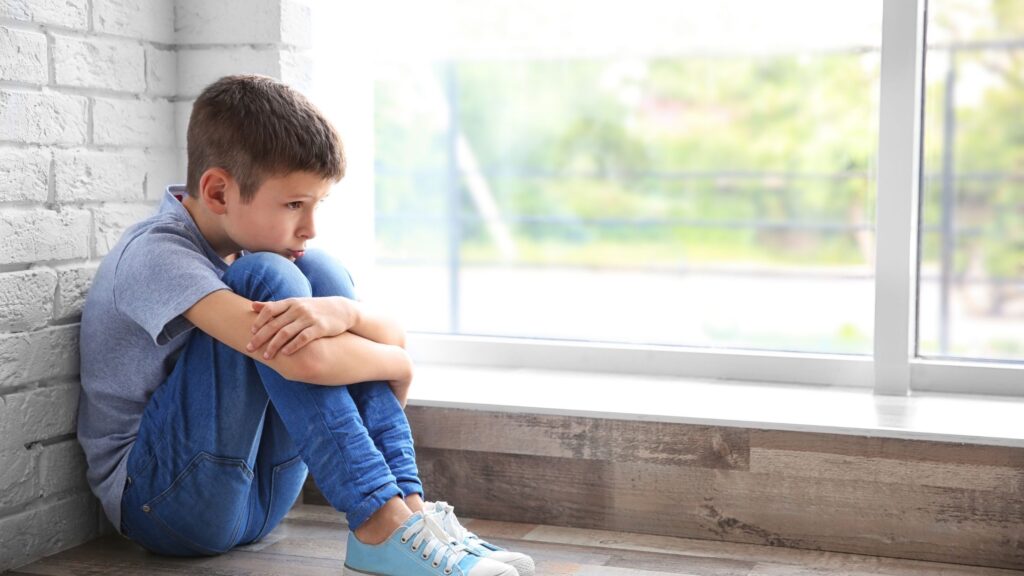
When injuries or illnesses occur, children and caregivers usually have explanations. The problem arises when those stories change or do not match the medical evidence. For instance, if a caregiver says a child fell from a bed, but the injury looks more like a burn, the inconsistency needs attention.
Also Read: 5 Child Protection Lessons Every Parent Should Teach Early
Pediatric experts are trained to spot these mismatches and probe deeper. If you hear shifting accounts about how a child got hurt, take it seriously.
7. Poor Hygiene or Malnutrition
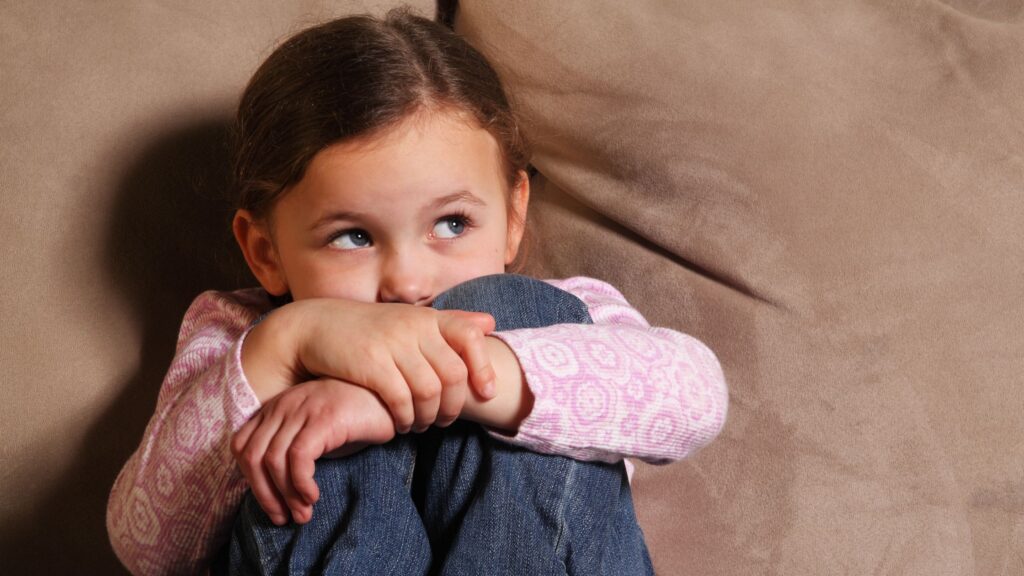
A child consistently arriving with unwashed clothes, untreated rashes, or signs of poor nutrition reflects more than a busy morning routine. Malnutrition can show up in low weight, slow growth, or constant fatigue. Poor hygiene may point to neglect. While occasional lapses are common in busy households, repeated patterns should not be ignored. Pediatric experts assess whether these signs connect to larger issues of neglect or lack of proper care.
8. Overly Watchful or Withdrawn Behavior
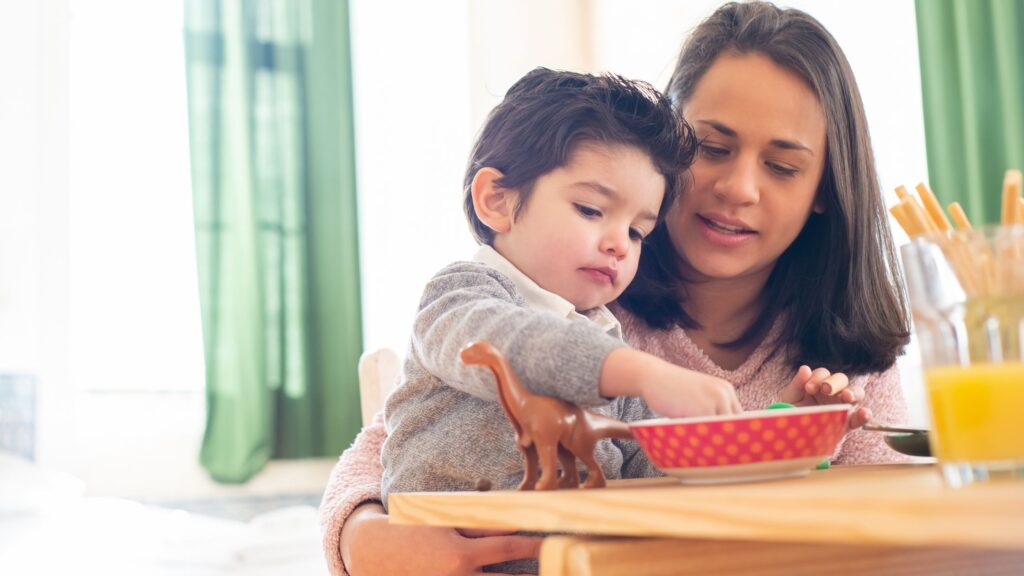
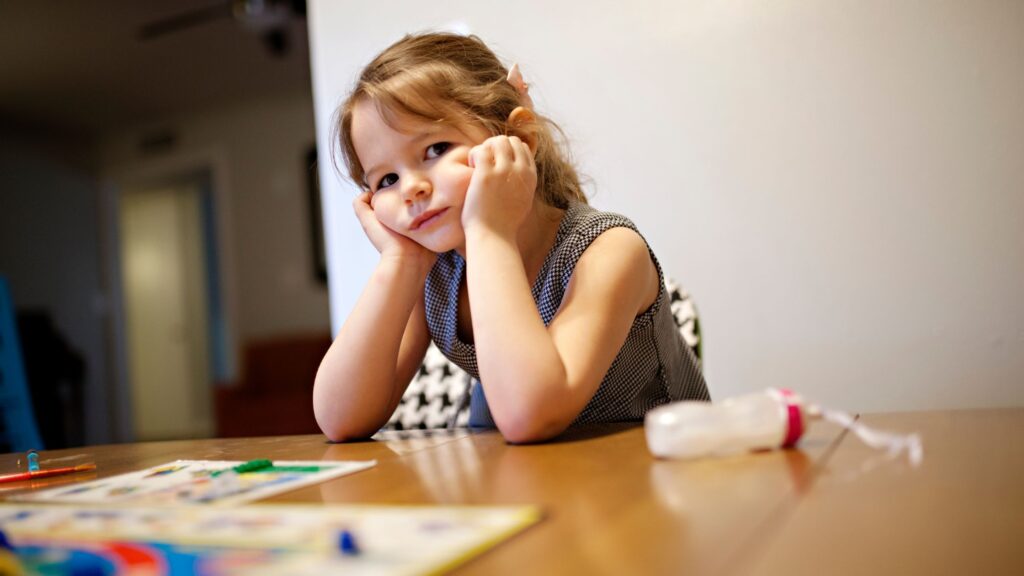
Some children act unusually cautious, almost as if they are expecting something bad to happen. Others withdraw completely and avoid making eye contact. Both behaviors can indicate exposure to trauma or unsafe environments. Pediatricians take these subtle cues seriously, especially when they appear consistently. Parents and caregivers should watch for these signs too, as they may reveal more than a child is able to say.
Why These Signs Matter
Each of these warning signs can point to problems that affect a child’s safety, health, and development. On their own, some may seem minor. Together, they may form a clearer picture of risk. That is why pediatric experts stress the importance of paying attention to patterns rather than isolated incidents.
What You Can Do as a Parent or Caregiver
Observe your child closely for injuries, mood shifts, or unusual behavior. Ask gentle questions and give them room to speak. If something feels off, seek medical advice. Stay connected with teachers who may notice important changes. Trust your instincts and take action when concerns arise.
Final Thoughts
Children often cannot express what they are going through. They depend on adults to read the signs and act when something feels wrong. By paying attention to these eight warning signs, you can take steps that protect children and give them the chance to grow in a safe and healthy environment.
If you like to know more about Pediatric Experts Contact me.