
Spotting signs of child abuse is not always simple. Many adults miss the clues, even when they are right in front of them. Abuse often hides behind silence, fear, and confusion. A child may not say anything directly, but their behavior, emotions, or injuries can tell a deeper story. Adults who care for children, parents, teachers, relatives, or neighbors, need to look closer and respond with awareness. Here are six common mistakes adults make when trying to recognize child abuse, and how to avoid them.
1. Ignoring Subtle Behavioral Changes

One of the biggest mistakes adults make is focusing only on visible injuries. Child abuse often leaves emotional marks long before physical ones appear. A child might stop talking, become anxious, avoid eye contact, or lose interest in activities they once enjoyed.
For example, a once talkative student may suddenly become withdrawn and fearful in class. Many adults might assume the child is shy or having a bad week. But consistent behavioral changes are red flags.
When you notice shifts in mood, energy, or school performance, don’t dismiss them. Ask gentle questions like, “You seem quiet today. Is something bothering you?” Paying attention early can stop ongoing child abuse from being overlooked.
2. Believing Only Physical Evidence Counts

Some adults wait to see bruises or marks before they suspect child abuse. This mindset allows emotional and psychological abuse to continue unseen. Children who face verbal threats, humiliation, or neglect often suffer as deeply as those who face physical harm.
For instance, a caregiver who constantly insults or ignores a child damages their confidence and security. This type of abuse rarely leaves visible scars, but it can cause lifelong harm.
Recognizing emotional pain is just as important as spotting physical injuries. If a child shows fear around certain people, flinches at sudden movements, or avoids home discussions, take it seriously. You don’t need proof to show concern, your awareness can be the first step toward stopping child abuse.
3. Dismissing What a Child Says

Children sometimes share pieces of their experience in unclear ways. They may test whether an adult will listen or believe them. Many adults make the mistake of dismissing what they hear, thinking the child is exaggerating or confused.
A child might say, “I don’t like going home,” or “He gets mad at me a lot.” These are signals. When adults brush them off with responses like, “You’re overreacting,” the child learns to stay silent.
If you suspect child abuse, always take a child’s words seriously, even when they seem small. Stay calm, thank them for trusting you, and assure them they did the right thing by talking. Children rarely lie about abuse, and a single conversation can begin their path to safety.
4. Assuming Abuse Only Happens in Certain Families
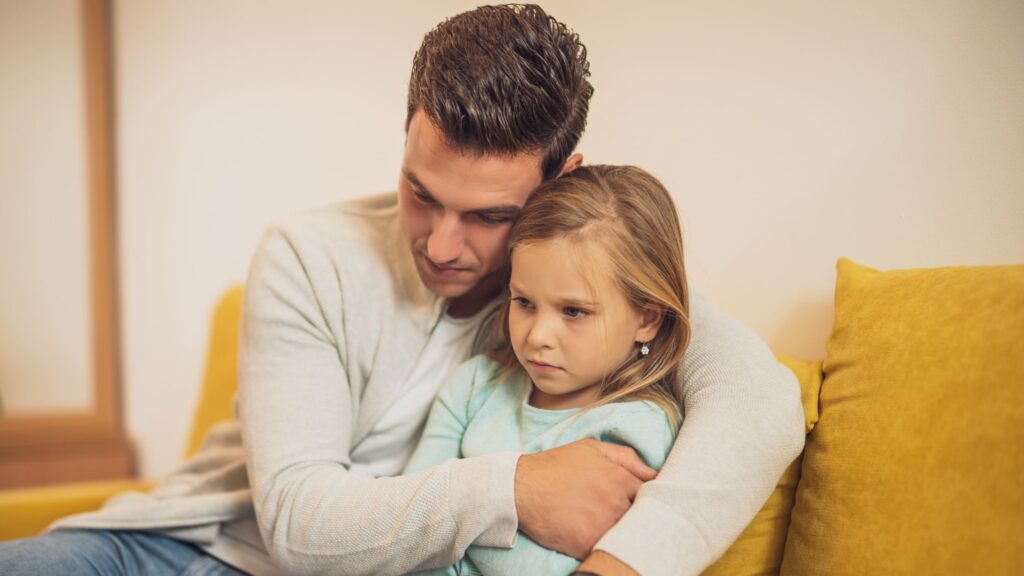
Many people believe child abuse happens only in poor families or unstable homes. This stereotype keeps abuse hidden in places where it’s least expected. Abuse can happen anywhere, across all social, cultural, and economic groups.
A child from a well-off family may face neglect, emotional harm, or control behind closed doors. Teachers, doctors, and even friends may hesitate to act because they think “that kind of thing doesn’t happen here.”
Also Read: 6 Things Everyone Should Know About Child Safety Today
Avoid judging by appearance or background. Focus on behavior, not income or reputation. Every child deserves protection, and every adult has a role in preventing child abuse, no matter where it happens.
5. Staying Silent Out of Fear or Uncertainty

Many adults recognize warning signs but stay silent because they fear being wrong or making things worse. This hesitation allows child abuse to continue. You don’t need to investigate or accuse anyone; your role is to report concerns to the right people.
If you’re unsure, contact a local child protection helpline or social service agency. They can guide you on what to do next. Reporting doesn’t mean you’re claiming guilt, it means you care enough to make sure a child is safe.
Real-life examples show how silence can delay help for years. One teacher once shared that she ignored her student’s unusual bruises because she assumed the child was “clumsy.” Later, it turned out to be long-term child abuse. Speaking up early can prevent harm and save a child from further trauma.
6. Overlooking Emotional Support After Disclosure

When a child finally speaks up about child abuse, many adults make the mistake of reacting with shock, anger, or disbelief. These reactions can scare the child and make them regret opening up. What they need most at that moment is calm reassurance and steady support.
Tell the child you believe them. Say simple, direct words like, “You’re safe now,” or “I’m glad you told me.” Avoid asking for too many details or forcing them to relive painful moments. Let trained professionals handle the investigation.
Your emotional response can shape how the child views help and safety. Showing patience and empathy supports their healing and strengthens their trust in adults again. Recovery begins when they feel heard and protected after child abuse.
How You Can Make a Difference
Spotting child abuse requires awareness, courage, and compassion. Each adult has the power to protect children by staying alert to small signs. The six mistakes above are common but preventable. You can be the difference between ongoing harm and early recovery.
Start by watching for changes in behavior, listening carefully, and trusting your instincts. Don’t wait for perfect proof, children depend on adults to act when something feels wrong. By paying attention, speaking up, and responding with care, you help create a safer environment for every child.
When you look beyond appearances and act on concern, you give children what they need most, safety, understanding, and hope. Ending child abuse starts with awareness, and awareness begins with you.